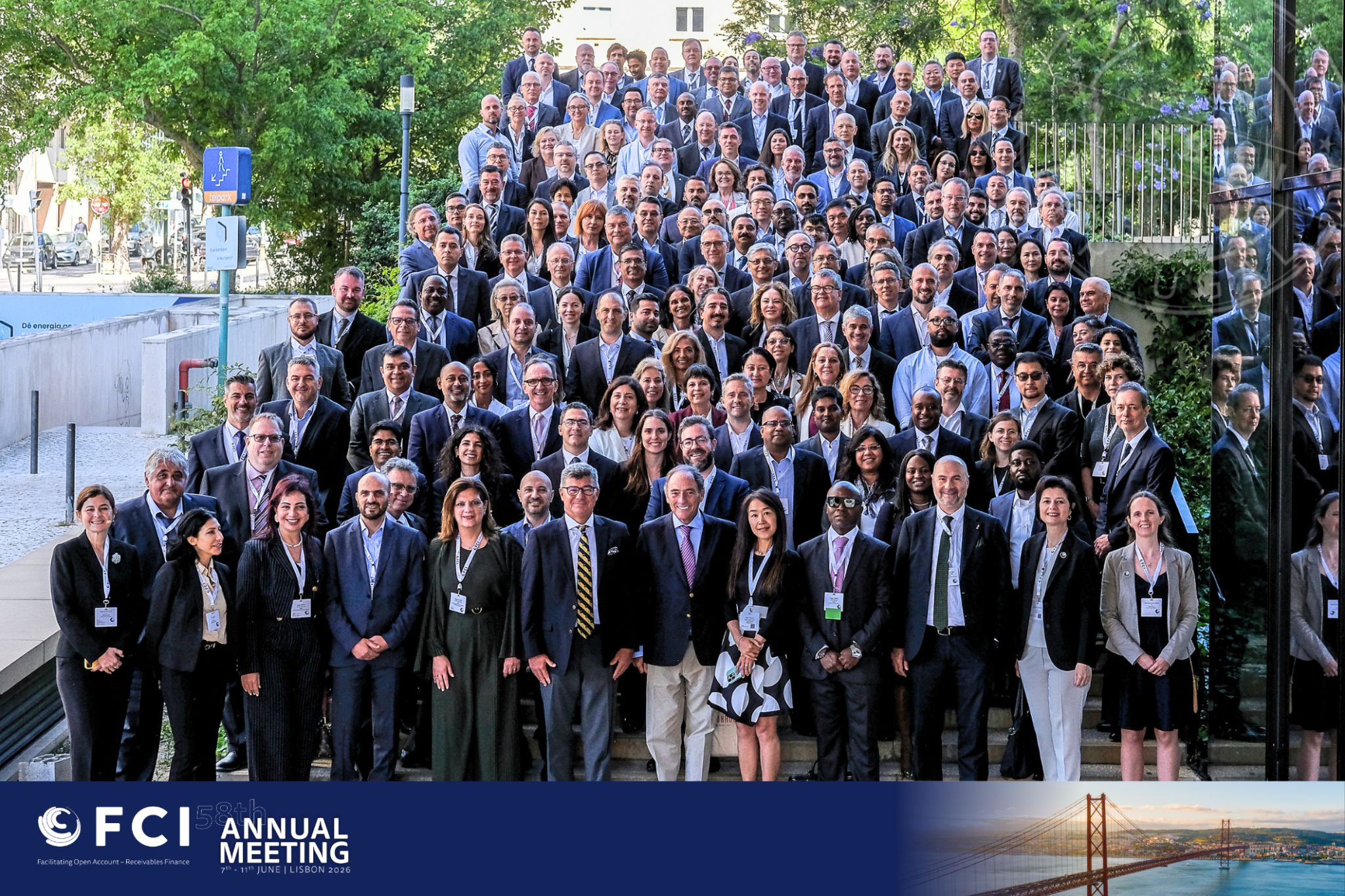
From June 7 to 11, Lisbon hosted the 58th Annual Meeting of FCI, one of the leading international gatherings in the factoring and confirming industry. Under the theme “Designing the Future of Receivables Finance,” the event brought together financial institutions, industry experts, and technology companies to analyze the changes that are transforming working capital financing on a global scale.
Factoring and Confirming in a Changing Environment
Paulo Portas, former Portuguese Minister of Defense and former Deputy Prime Minister (2011–2015), delivered the event’s opening address, in which he described the current international environment, which shapes the factoring business. Portas explained that we are not facing a new world order, but rather a true “disorder” or deconstruction of the previous order: deadlock in the UN Security Council, the WTO lacking effective dispute resolution mechanisms, the absence of nuclear non-proliferation agreements, two active armed conflicts (Ukraine and the Persian Gulf), … The expert concluded that we are shifting from a rules-based system of alliances to a system of powers based on military force.
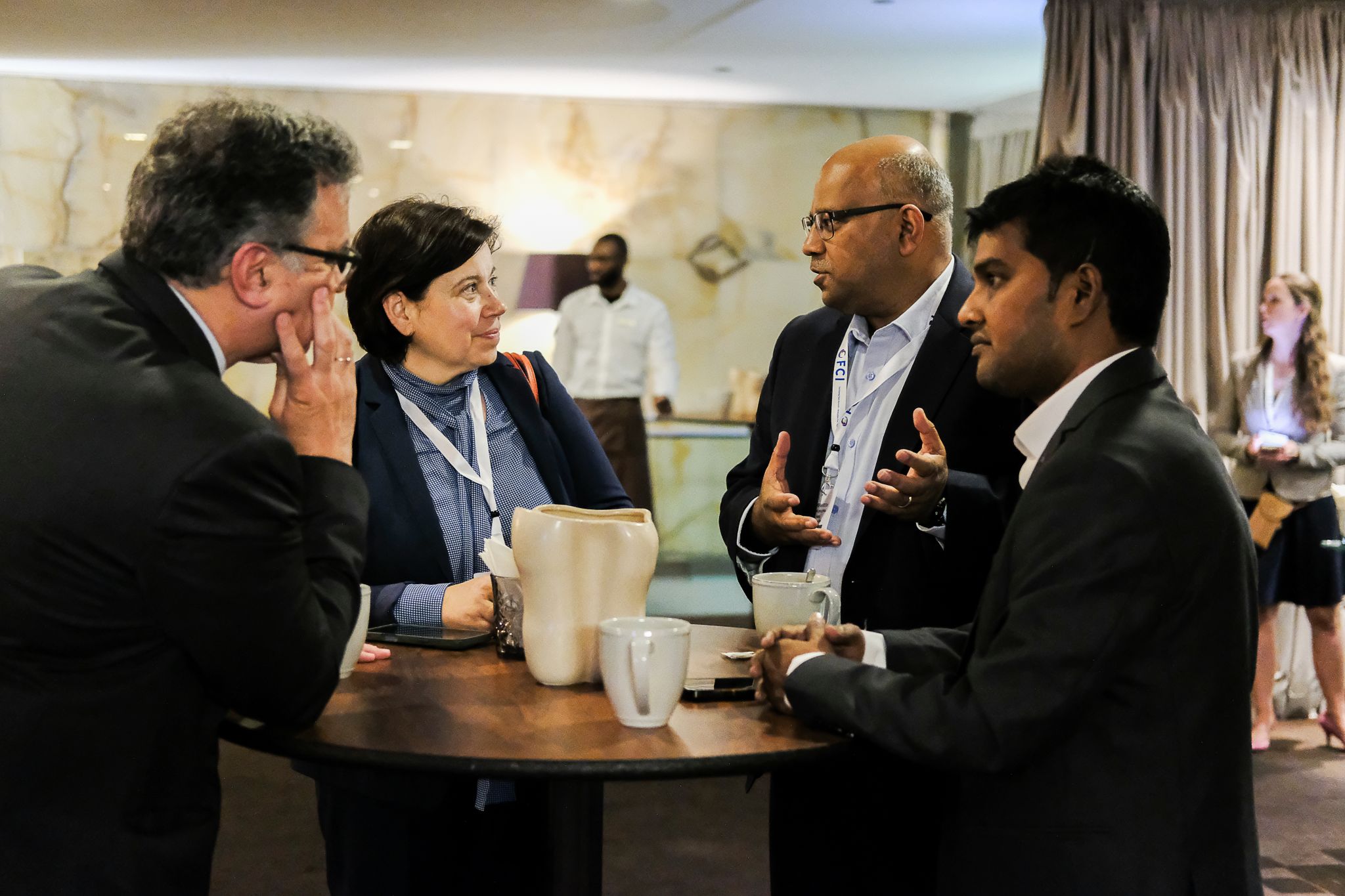
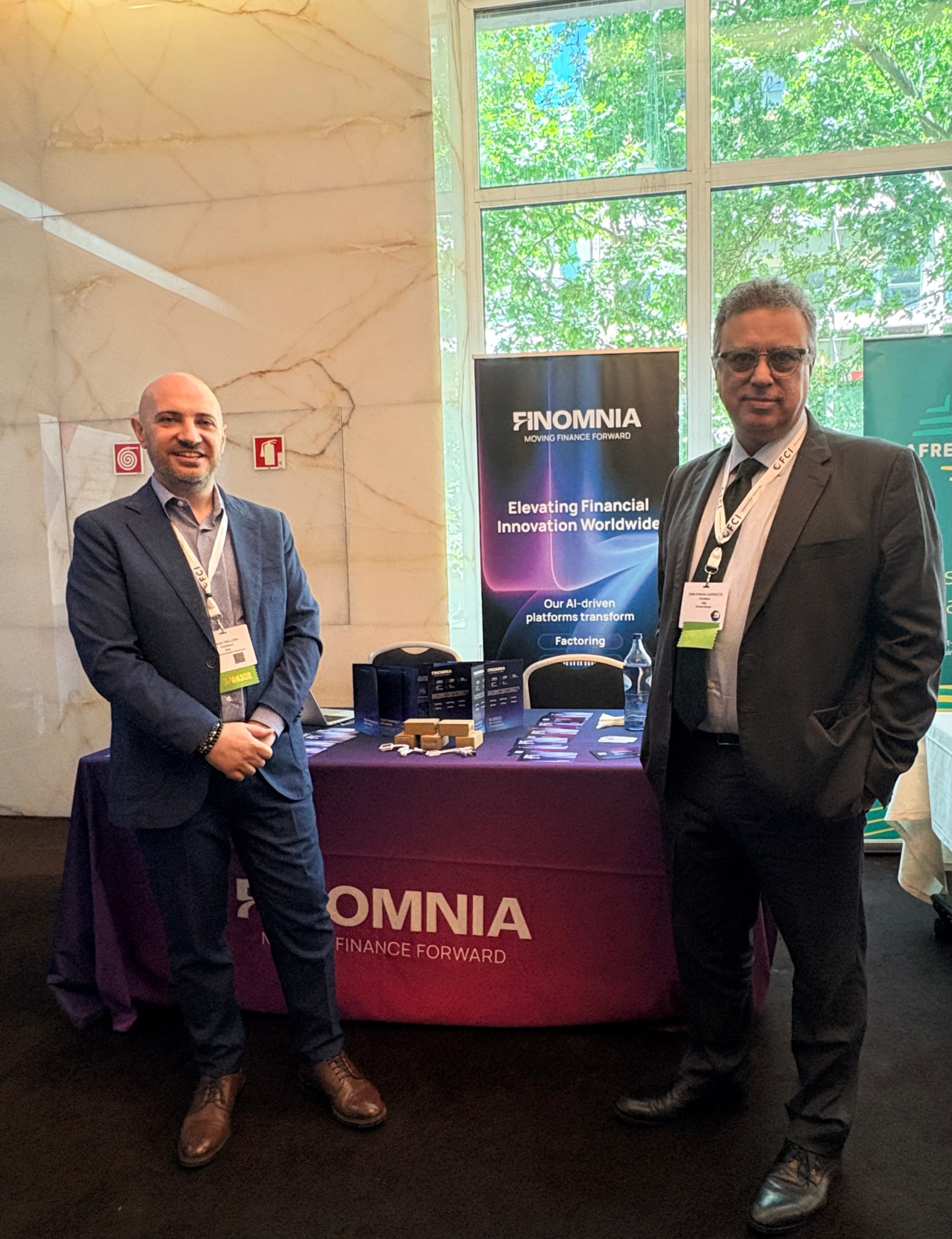
This environment defines the risk context in which factoring clients operate, which was subsequently analyzed during the panel discussion moderated by our colleague Marco Gallina, titled “From Demand to Delivery: Scaling the Two-Factor Model in a Complex Trade Finance Landscape”: supply chain disruptions, rising energy costs, volatility in emerging trade corridors… In this context of growing uncertainty, risk management tools such as international factoring and the two-factor model are becoming increasingly valuable.
Finomnia was also represented at the meeting by José Antonio Garrote, who had the opportunity to participate in the roundtable discussion “Digitalization & Making Factoring Popular,” which was held in parallel with two other roundtable discussions: “Scaling the Two-Factor Model” and “Connecting Supply & Demand in Trade Finance.” In the discussion among the different working groups, participants concluded primarily that: the two-factor model is a flexible framework capable of adapting to different clients and markets; trust between export and import factors remains the foundation of cross-border growth; and that education and simplification are the most important drivers for scaling the model in emerging markets.
The First Brands Case and the Importance of Digitization
One of the most interesting panels at the event was the one on fraud and digitization, during which experts presented the case of First Brands, a U.S. auto parts manufacturer that made extensive use of factoring and accounts receivable financing programs. Following the company’s bankruptcy in 2025, a fraud scheme involving more than 9,000 million USD perpetrated by its founders came to light.
In this case, classic fraud schemes were employed: inflation, forgery, double pledging, etc. However, it was the lack of a shared digital infrastructure that allowed these schemes to remain undetected for many years. The key lesson the industry must learn from this case is that the digitization of invoices and centralized records is not just about operational efficiency—it is about mitigating systemic risk.
Looking to the Future
The FCI Annual Meeting once again confirmed that the future of factoring and confirming lies in a combination of financial expertise, technology, and innovation.
At Finomnia, we will continue to actively participate in the industry’s leading international forums, sharing knowledge and supporting financial institutions as they evolve their business models and working capital financing solutions.

