Alvantia has been a member of the Spanish Network of the United Nations Global Compact for more than seven years. Its corporate culture promotes attitudes and commitments that help to build a fairer, more sustainable and balanced world.

Alvantia has been a member of the Spanish Network of the United Nations Global Compact for more than seven years. Its corporate culture promotes attitudes and commitments that help to build a fairer, more sustainable and balanced world.

There is a key aspect managing the financing of trade credit, in general, and reverse factoring, in particular, which is not always well designed and used, from a trade, operational and risk point of view, in contrast to other financing arrangements: big data.
(more…)
A phrase that is often heard today is that “technology is changing the way business is done”. Technological development has in fact forced many companies to change the design of their business, which in turn affects their processes and their way of working.
(more…)
It’s a fact that there are new technological trends that are currently revolutionising the financial markets. The term Blockchain has become an everyday word in practically everyone’s vocabulary, as it refers to the technology being used by the banking sector to reinvent itself.
(more…)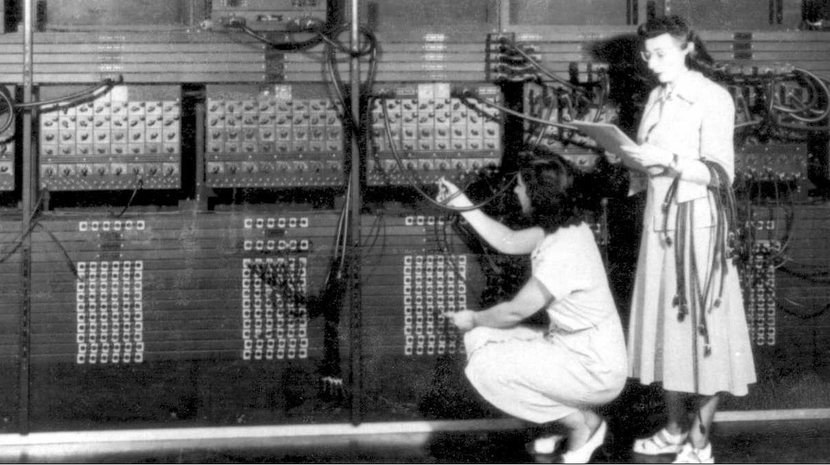
As we know, women currently have very little presence in technology companies. However, recent studies show that companies would yield a much greater profit if they were to achieve equality: for example, if the UK were to increase the number of women to 30%, its economy would grow by 11 billion.
(more…)
As we saw previously in the first post, Fintechs (business players that combine ICT and finance) undoubtedly offer multiple advantages to consumers by positioning them at the heart of financial products and services. However, some concerns are arising with regards to regulation, supervision, compliance and security.

There is a symbiotic relationship between payment methods and economic activity: the evolution of means of payment has historically favoured economic development, and similarly, the evolution of economic activity has led to the modernisation of means of payment.
Cash is the most popular means of payment worldwide, used in 85% of all transactions. However, despite the overwhelming prevalence of cash as a payment method, it is slowly declining. And that 15% of non-cash transactions (9.1% credit/debit cards and 4.6% direct debits/bank transfers) is where a disruption is now occurring which will affect the entire means of payment system.
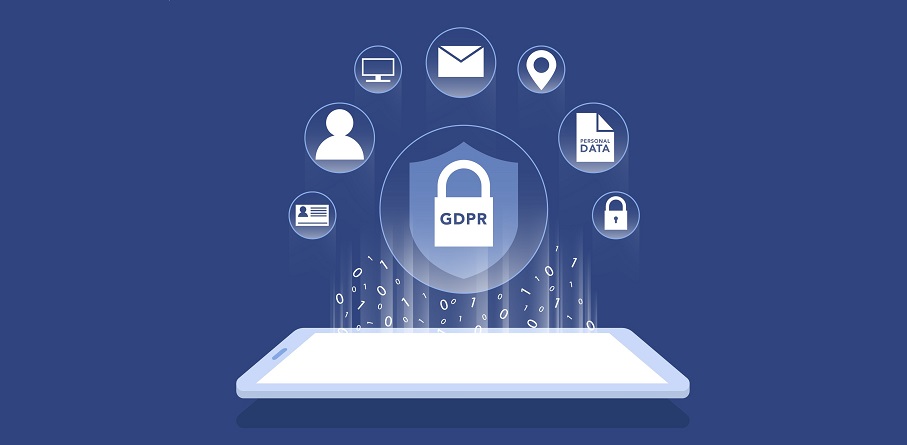
According to the Charter of Fundamental Rights of the European Union, the protection of natural persons with regard to the processing of personal data is a fundamental right. However, rapid technological change and globalisation have posed new challenges in this area. The scale of the collection and exchange of personal data has increased significantly, and technology now enables both private companies and public authorities to use personal data on an unprecedented scale in carrying on their activities. At the same time, awareness of personal information is growing, and there is clearly a growing concern for security, privacy and the protection of personal data.
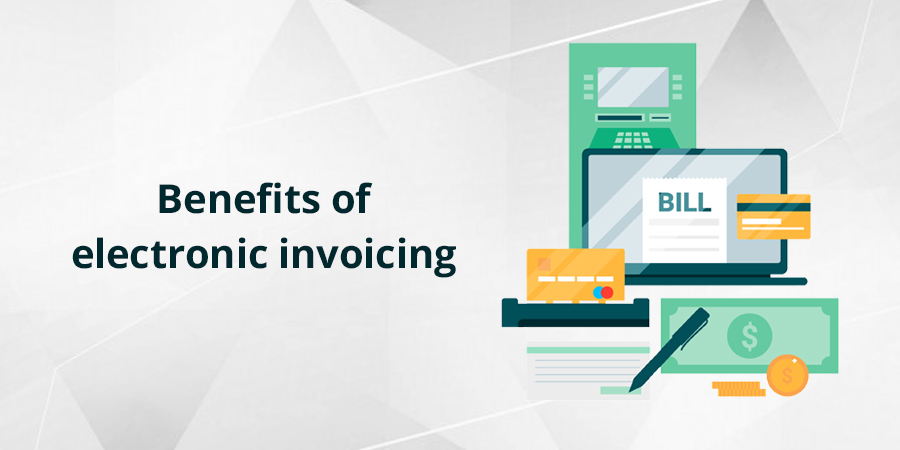
For some years now, commercial transactions have been moving towards the digital world. However, we still maintain processes that reduce the agility and competitiveness of companies and entail an additional cost for them. One of them is physical or manual billing, which is still used in many organisations in our country.
(more…)


